For the bigger picture and full context, make sure you read our main guide on Sophie Thatcher Hair: The Story Behind The Yellowjackets Wig.
Here's the markdown article draft:
markdown
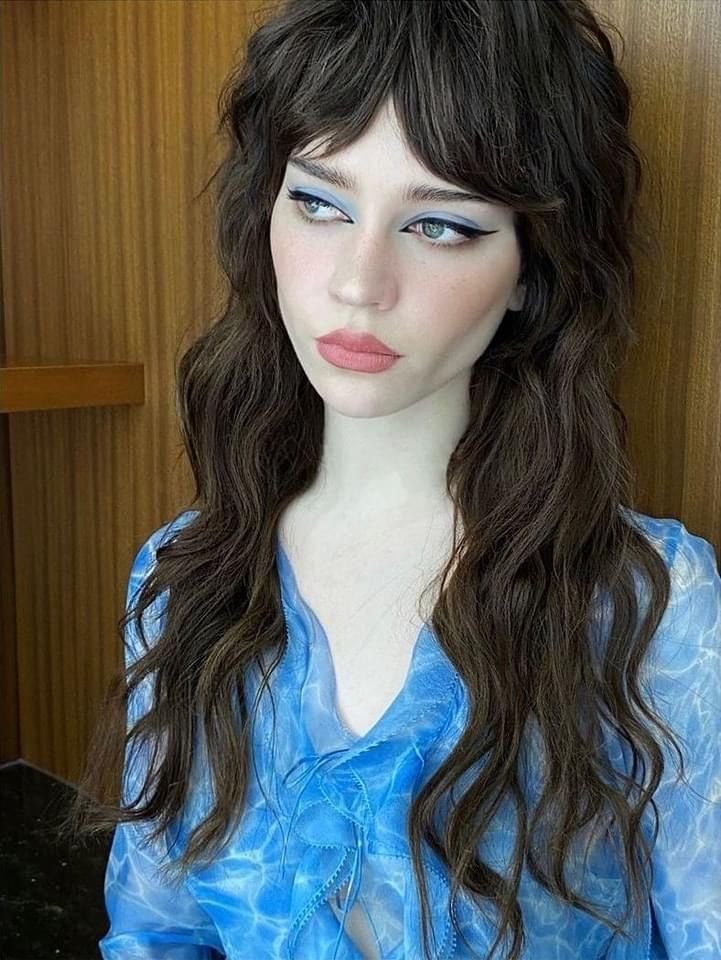
Obsessed with Natalie's effortlessly cool look in Yellowjackets? It's hard not to be. A key element of Sophie Thatcher's distinctive style is her signature haircut: a modern take on the shag that perfectly captures her character's rebellious spirit. It's a look that's both edgy and surprisingly versatile.
At a glance:
- Learn the key elements of Sophie Thatcher's shag haircut.
- Discover how to adapt the shag to your hair type and face shape.
- Get practical tips for styling and maintaining your own shag.
- Understand the difference between a shag and a mullet (and why it matters).
- Find inspiration for variations on the classic shag.
Decoding the "Shaglet": What Makes Sophie Thatcher's Haircut Unique?
Sophie Thatcher’s haircut isn't just any shag; it's a carefully crafted "shaglet" – a modern mullet-shag hybrid. This means it incorporates the best aspects of both styles: the face-framing layers and texture of a shag, combined with a slightly more pronounced length difference between the front and back, reminiscent of a mullet. The result? A cool, effortless look that perfectly suits her personality.
The key elements of her cut are:
- Heavy layers: Shags are all about layers, and Thatcher's cut is no exception. These layers add volume and movement.
- Face-framing pieces: These shorter pieces around the face soften the look and highlight her features. They also contribute to the overall "undone" vibe.
- Choppy texture: The ends of the hair are often point-cut or razor-cut to create a choppy, textured effect. This enhances the shag's edgy feel.
- Moderate length: Her hair typically falls around shoulder-length or slightly longer, which keeps the cut modern and avoids a dated look.
Shag vs. Mullet: Understanding the Nuances
While Sophie Thatcher's haircut blends elements of both, it's essential to understand the distinct differences between a shag and a mullet:
| Feature | Shag | Mullet |
|---|---|---|
| Layers | Heavy, all over | Heaviest at the top, less in the back |
| Length | Generally uniform, shoulder-length or longer | Significant difference: short in front, long in back |
| Overall Look | Textured, voluminous, effortless | Edgy, bold, statement-making |
| The "shaglet" strikes a balance. Think of it as a shag with a hint of mullet, not a full-blown "business in the front, party in the back" situation. It's the difference between a whisper and a shout. |
Adapting the Shag: Making It Work For Your Hair Type and Face Shape
The beauty of the shag is its adaptability. However, some tweaks might be necessary to make it perfectly suit your hair type and face shape:
- Fine hair: Ask your stylist for shorter layers to create maximum volume. Avoid overly long lengths, as they can weigh down fine hair. A texturizing spray can also be your best friend.
- Thick hair: Longer layers will help remove weight and prevent the shag from looking too bulky. Consider adding internal layers for extra movement.
- Curly hair: Embrace the natural texture! A shag can enhance your curls by giving them shape and definition. Just be sure your stylist is experienced with cutting curly hair.
- Round face: Add longer layers around the face to create vertical length and slim the appearance of the cheeks. Avoid blunt bangs, which can make the face look wider.
- Square face: Soften the angles with face-framing layers and wispy bangs. A side-swept fringe can also be flattering.
- Oval face: Lucky you! Most shag styles will work well with an oval face shape.
Example: Imagine a client with a round face and fine hair. The stylist might recommend a chin-length shag with long, feathered layers around the face to add definition and volume without overwhelming her features.
Styling Your Shag: Achieve That Effortless "Cool Girl" Look
The goal with a shag is to look effortlessly cool, not overly styled. Here's how to achieve that:
- Prep: Start with a texturizing spray or mousse on damp hair. This will add grip and volume.
- Rough dry: Use a diffuser or simply air dry your hair, scrunching it with your hands to encourage texture.
- Define: Use a small amount of styling cream or wax to define individual layers and pieces around the face.
- Finish: Add a light-hold hairspray to keep the style in place.
Pro Tip: Don't overdo it with the product. Less is more when it comes to styling a shag. The key is to enhance your natural texture, not mask it.
Maintaining Your Shag: Keeping It Fresh
Regular trims are essential to maintain the shape and texture of your shag. Aim for a trim every 6-8 weeks to remove split ends and keep the layers looking fresh.
Also, consider using a deep conditioning treatment once a week to keep your hair healthy and hydrated. This is especially important if you frequently use heat styling tools.
Inspiration Beyond Thatcher: Shag Variations to Consider
While Sophie Thatcher's shag is a great starting point, there are many variations to explore:
- The "Bottleneck" Shag: This shag features a soft, face-framing fringe that gently curves around the eyes, creating a "bottleneck" effect.
- The Wolf Cut: A more extreme version of the shag, with even more layers and a wilder, more untamed look.
- The Modern Shag with Curtain Bangs: Pair your shag with long, sweeping curtain bangs for a soft and romantic look.
- The Cropped Shag: A shorter, choppier version of the shag that's perfect for those who want a bold and edgy style.
Sophie Thatcher Haircut: FAQs
Q: Will a shag work on my thin hair?
A: Absolutely! The key is to focus on shorter layers and texturizing products to create volume and movement. Avoid overly long lengths, which can weigh down thin hair.
Q: How do I prevent my shag from looking too "80s"?
A: The key is to keep the length modern and avoid overly teased or permed styles. Focus on enhancing your natural texture and using updated styling techniques. Think less "rock star" and more "effortless cool."
Q: Can I pull off a shag with a middle part?
A: Yes! While a side part is often recommended for shags, a middle part can also work well, especially if you have an oval face shape. Experiment to see what looks best on you.
Q: What's the best product for styling a shag?
A: A texturizing spray or mousse is essential for adding grip and volume. You'll also need a styling cream or wax to define individual layers and pieces.
Q: How often should I get my shag trimmed?
A: Aim for a trim every 6-8 weeks to maintain the shape and texture of your cut.
Getting the Cut: A Quick Start Guide
Ready to take the plunge and get your own Sophie Thatcher-inspired shag? Here’s a quick guide:
- Find Inspiration: Collect photos of shags you love, including Sophie Thatcher’s!
- Choose a Stylist: Look for a stylist who is experienced with cutting shags and understands your hair type.
- Communicate Clearly: Show your stylist the inspiration photos and explain your desired outcome.
- Discuss Adaptations: Talk about how to adapt the shag to your face shape and hair type.
- Trust the Process: Relax and let your stylist work their magic!
Remember that a great haircut is a collaboration between you and your stylist. Don't be afraid to ask questions and express your concerns. And remember, you can Explore the Yellowjackets wig story if you're curious about how much of Thatcher's on-screen look is her own!
Rock Your Shag
The beauty of the shag lies in its imperfections. It's a haircut that embraces natural texture and effortless style. So, ditch the perfectionism and embrace the "cool girl" vibe. With the right cut and styling, you can rock your own Sophie Thatcher-inspired shag with confidence.
